
Blog
Blog & Resources
You see, in this world there’s two kinds of companies, my friend: those who have embraced AI, and those who are getting nowhere. With a hint of cynicism, reminiscent of a famous Clint Eastwood line, it’s clear that AI, once a phantasmagoria, has become a must-have, especially in the supply chain.Often misunderstood and not always as « intelligent » as it seems, Artificial Intelligence in the supply chain needs to be dissected, demystified, and then effectively exploited.So, which AI should you choose, what impact will it have, and how can you implement it concretely?
Blog
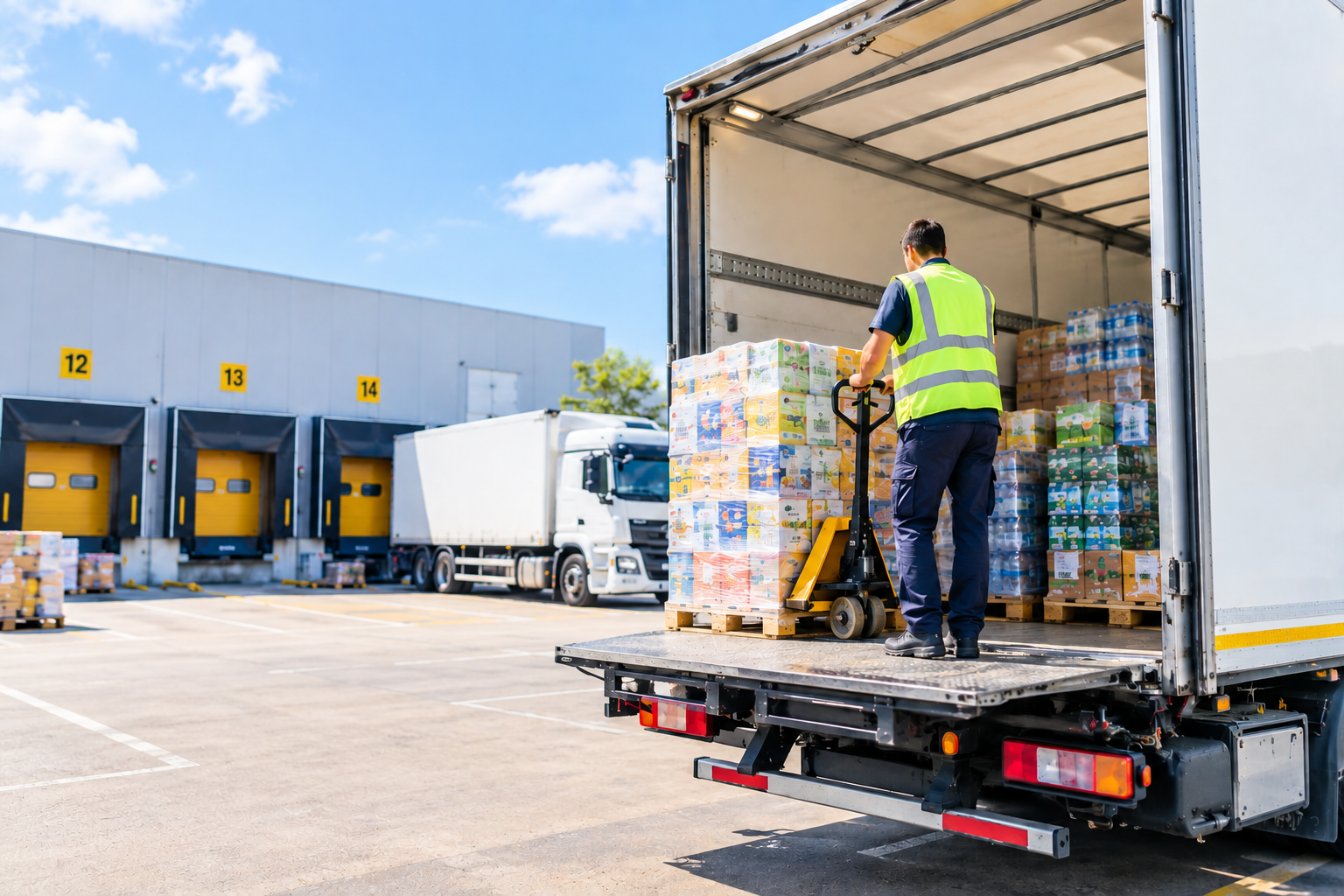
Routing optimization for grocery retail means using a mathematical solver to build the lowest-cost transport plan that satisfies every real-world constraint of a retail network: store delivery windows, multi-temperature loads, multi-DC distribution models, EU drivers' hours rules, dock congestion and more.
Blog
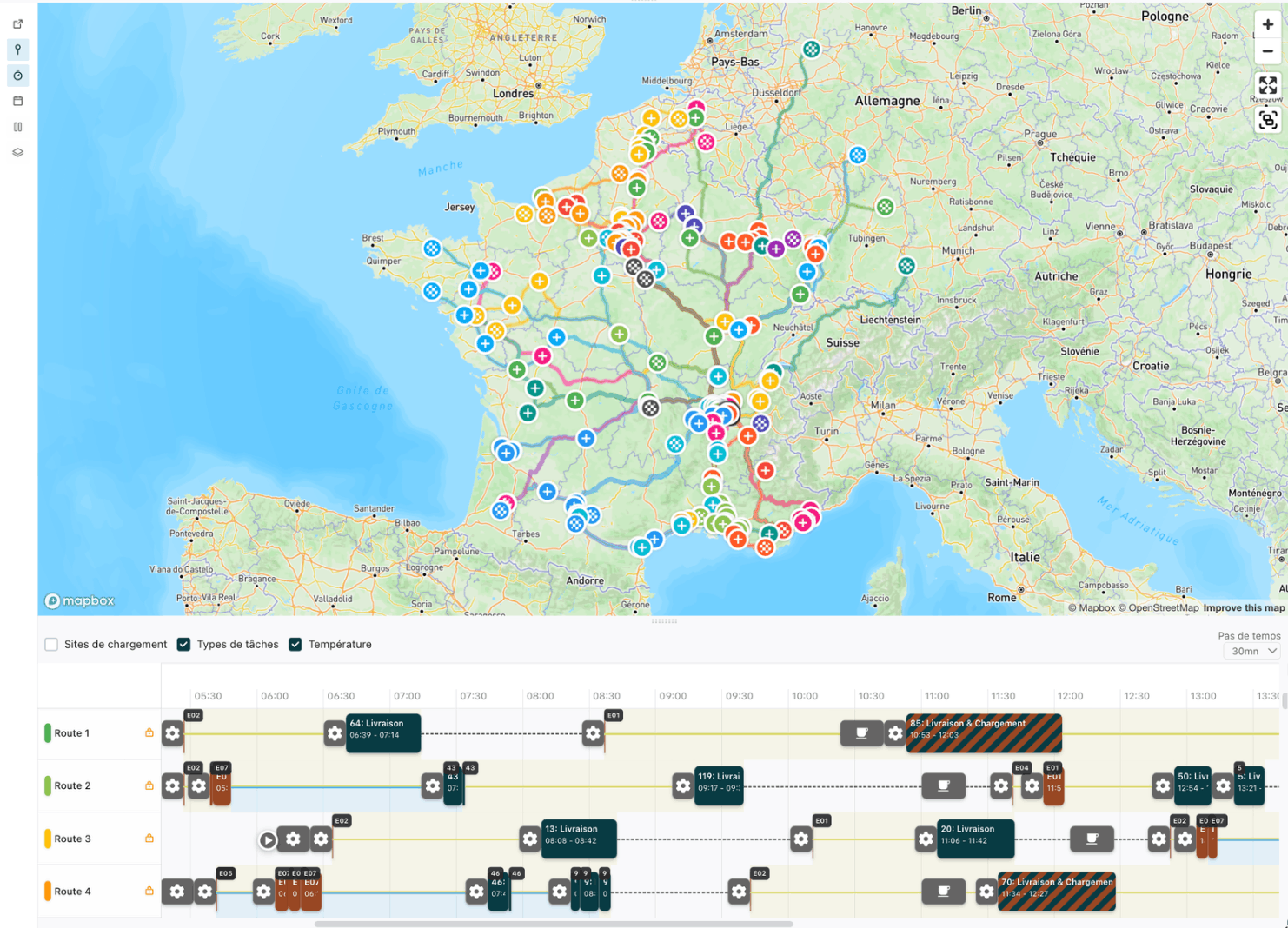
Rising energy prices, geopolitical tensions disrupting trade routes, driver and capacity shortages: transport departments have little room left to maneuver, and the traditional levers for cutting costs are reaching their limits. In this environment, optimizing transport plans stands out as a more sustainable alternative to simple rate negotiation.
Blog
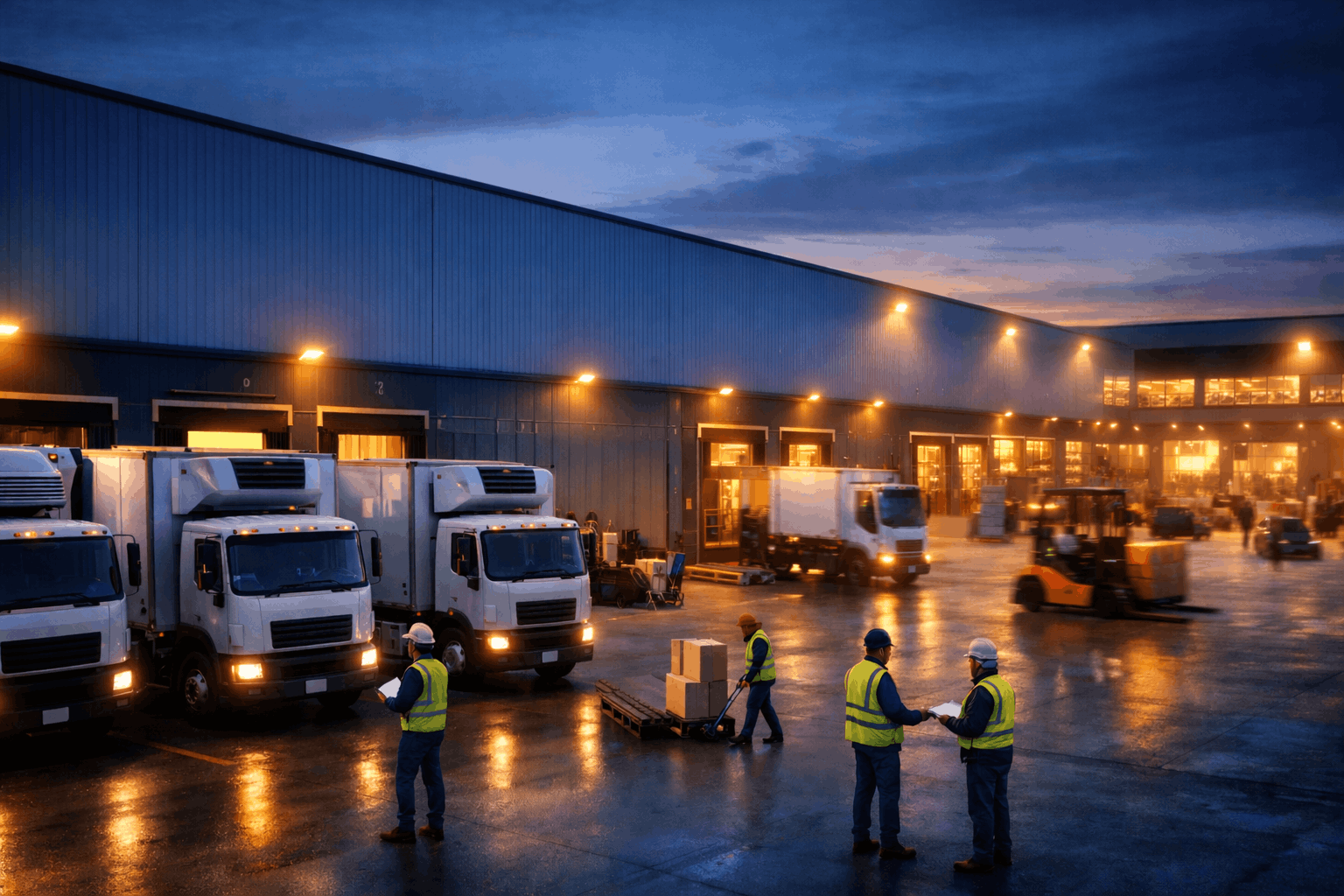
Retail supply chains operate under constant pressure: volumes fluctuate daily, products must stay fresh, promotions create demand spikes, and every store has its own operational constraints. In retail replenishment logistics, a single overlooked constraint immediately translates into extra costs, delivery delays, congested loading docks, or wasteful empty runs.

Infographie
Discover the major trends of AI in supply chain for 2026, and the concrete cases to integrate for your transport and warehouse planning.

Blog
Optimizing truck loading is far from being just the “cherry on top.” It’s not simply a Tetris game for a given truck. The real challenge lies further upstream: loading optimization is at the service of routing optimization. It enables much deeper improvements in transport performance. It also brings many other benefits: higher filling rates, no leftover at docks, balanced load distribution, better priority management, support for upselling… So how can transport and loading planning be combined to boost overall transport efficiency?
Blog
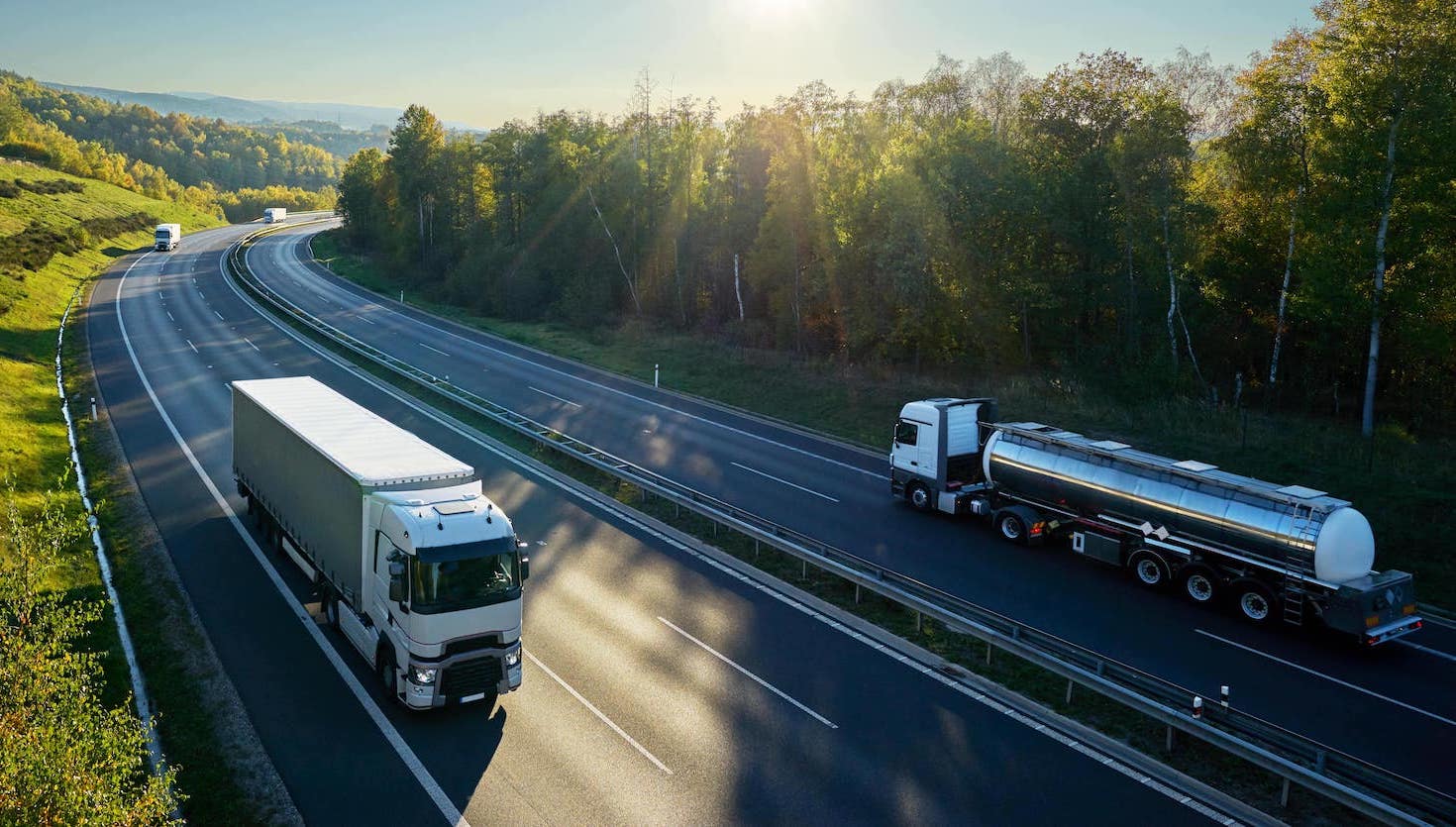
Transport planning is still too often carried out in silos: one plan for supplier pickups, another for inter-hub transfers, and yet another for last-mile delivery. Consequences: half-empty trucks, overstocking/out-of-stocks, extended lead times, rigid supply chains — resulting in higher logistics costs and a significant carbon footprint. In today’s context of economic and environmental pressure, this fragmented vision is no longer sufficient. Advances in decision-making AI have enabled the democratization of advanced optimization engines, making it possible to deliver end-to-end, global transport optimization.
Blog
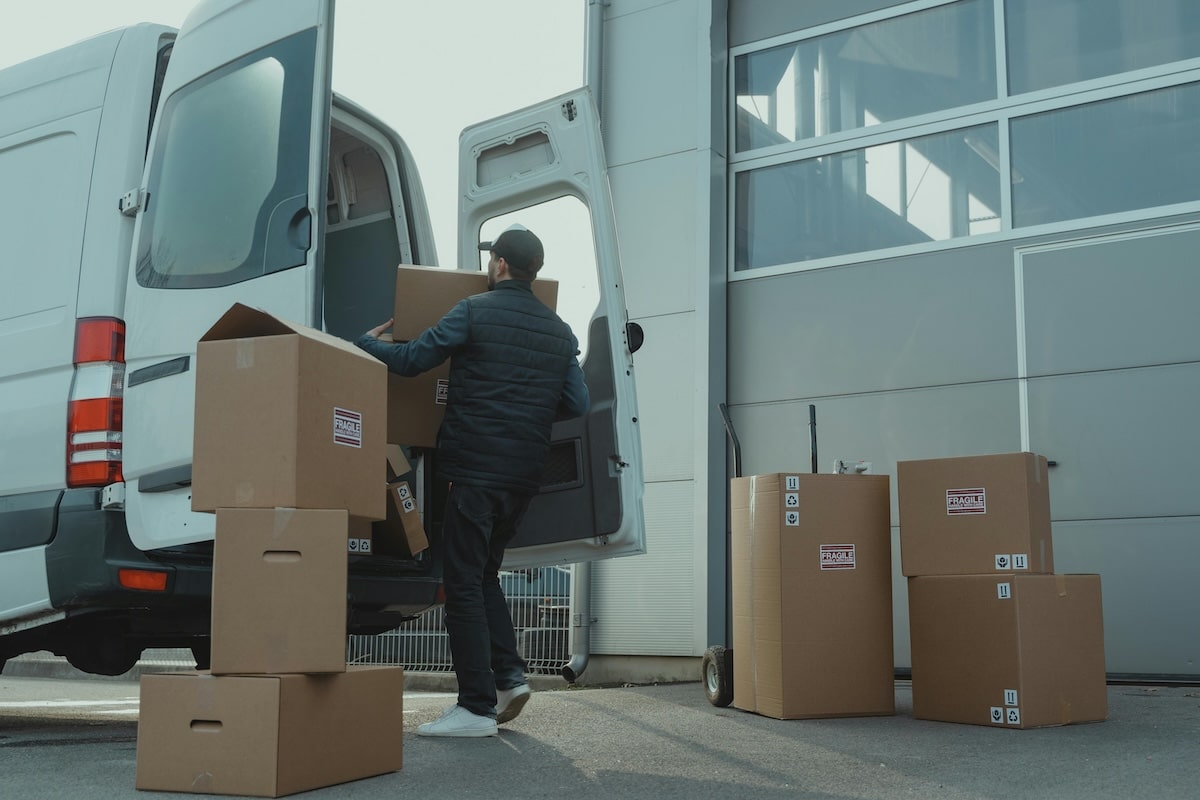
Every year, Peak Season is a massive challenge for transport and distribution players. The explosion in volumes puts resources, lead times, and service quality under extreme pressure. For organizations, the ability to plan fast, accurately, and under uncertainty becomes vital.

Blog
30% cost savings, 20% fewer CO2 emissions, complex transport plans generated in just seconds… Transport optimization has never been more accessible — provided you choose tools adapted to your business needs. This article breaks down the essentials of transport optimization solvers.

Blog
Every day, thousands of kilometers are needlessly driven, vehicles run half-empty, and valuable time is wasted on tedious, time-consuming tasks... While a transportation or delivery management system (TMS, DMS) can bring productivity gains of 5 to 10%, a routing optimization solver can deliver up to 40% reduction in transport costs, thanks to decision-making AI for transportation planning. Discover five key reasons to adopt a routing optimization software.
Blog
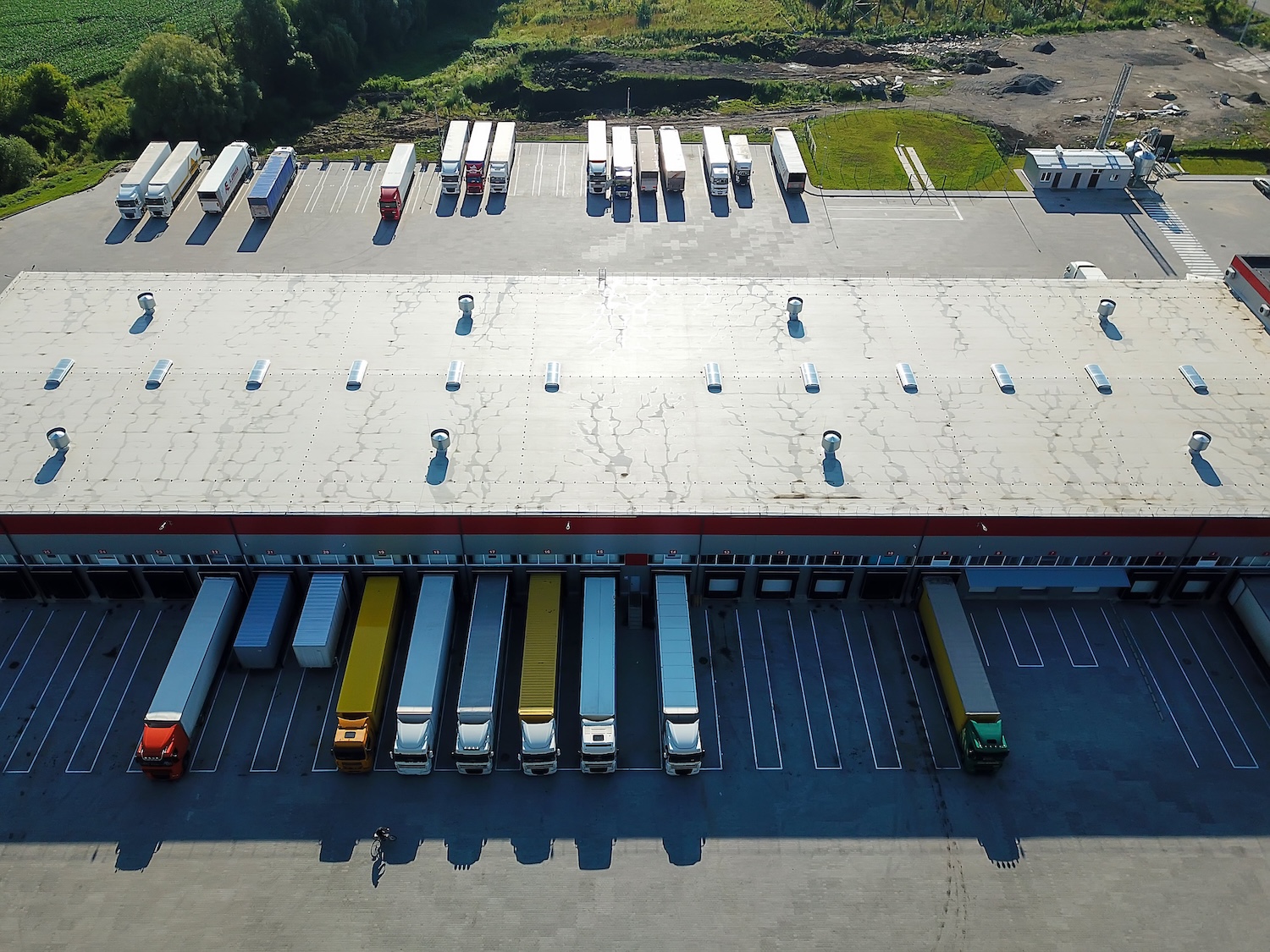
Optimization solvers have become essential levers for improving operational efficiency in the supply chain — whether to reduce costs, lower environmental impact, or more broadly, to better manage and organize the use of resources. But how do you choose the right solution among the many tools available? What are the key criteria to consider for a truly effective planning software that fits all your needs?

Blog
As the French National Low-Carbon Strategy (SNBC)* aims to reduce GHG emissions from transport by 28% by 2030, selecting and using efficient tools for optimal planning have become more critical than ever. Between Transportation Management Systems (TMS) and Optimization Solvers, the line is sometimes blurred. Monitoring, tracking, decision-support, planning, vehicle routing optimization — what are the specificities of each tool, and how do they complement each other?

Blog
Facing growing challenges in performance, sustainability, and competitiveness, decision-making AI is a valuable ally for optimizing transportation planning. Regardless of your transportation management structure, optimization solvers offer significant potential to enhance your operational performance.

Livre Blanc
This guide gives you the keys to successfully implementing AI tools in the Supply Chain. Discover how artificial intelligence is transforming strategic, tactical and operational decision-making, and the concrete steps you need to take to integrate it into your business strategy.

Blog
In the complex and ever-evolving world of software, numerous myths persist, especially regarding optimization solvers. As experts in mathematical optimization, we will deconstruct six recurring preconceptions to decode these powerful decision-support tools and help you make the most of them.

White Paper
Operations and Supply Chain departments are facing ever-growing uncertainties: the energy crisis, reorganization of flows, regulatory inflation, competitive pressure, etc. To meet these major challenges, decision-support software tools have become essential.
Press
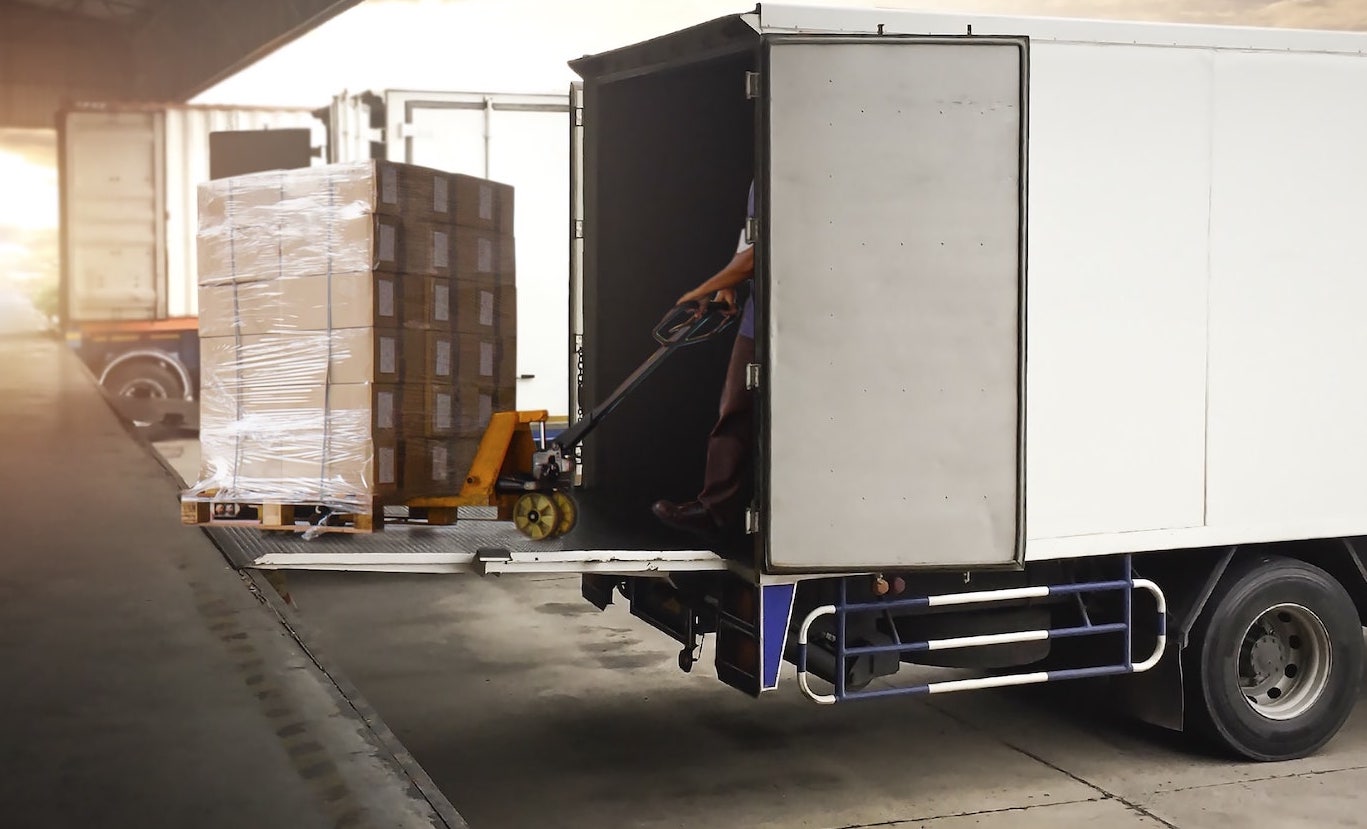
Logtran, the leading food retailer in the French Overseas Territories, is implementing a unique optimisation of its distribution logistics and expects to reduce its transport costs by 20% by relying on Atoptima's solution, a software editor specialised in operations planning.

Blog
Packing optimization software is designed to simplify, automate, and optimize your palletization, loading plans, and even cutting stock problems. They aim to make the best decisions of loads allocation and their positioning to reduce transportation costs and improve your team's productivity.

Blog
Three ways of organizing operations planning are commonly observed in companies’ Supply Chain & Operations department. What are these 3 ways and how can they be enhanced?

Blog
With increasing intricacy of organizational systems and processes, making informed business decisions is getting harder. Digital twins have been a response for multiple organizations, offering the ability to simulate the impact of business scenarios and anticipate future possible behaviors of a system. But digital twins are costly to create and generally don’t output a decision per se, hence it is worth diving into their mechanism to understand if they suit to your real needs.

Blog
The multiple crises have revealed the importance of the logistic chain, a strategic and critical domain to meet the growing expectations of consumers and make the economy more efficient. To address these issues as well as the needs for resilience and sustainability, artificial intelligence technologies have proven to be crucial in rationalizing the use of resources, whether to reduce transportation costs or decarbonize the supply chain. How to reorganize logistic plans and streamline supply chains thanks to optimization intelligence?

Press
In this interview realized by Markus Börner for Supply Chain Management Startups, Adrien Duruisseau (Co-founder & COO) introduces Atoptima, an optimization software editor automating decision-making for operations planning problems.
Blog
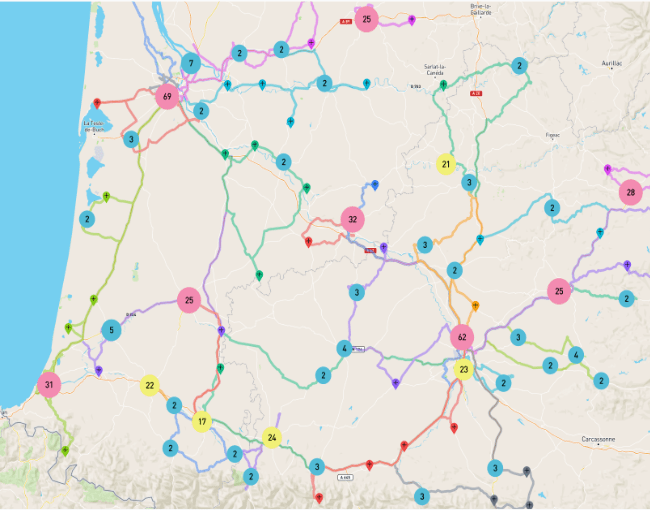
In a world where logistical efficiency is essential, vehicle routing optimization has become a cornerstone in supply chain management. Vehicle routing optimization software does more than just plot efficient routes from point A to point B; it skillfully addresses a multitude of constraints, thus transforming logistics challenges into strategic opportunities. These innovative solutions enable businesses to combine automation, performance, and robustness by effectively managing the multiple constraints associated with fleet management.

Blog
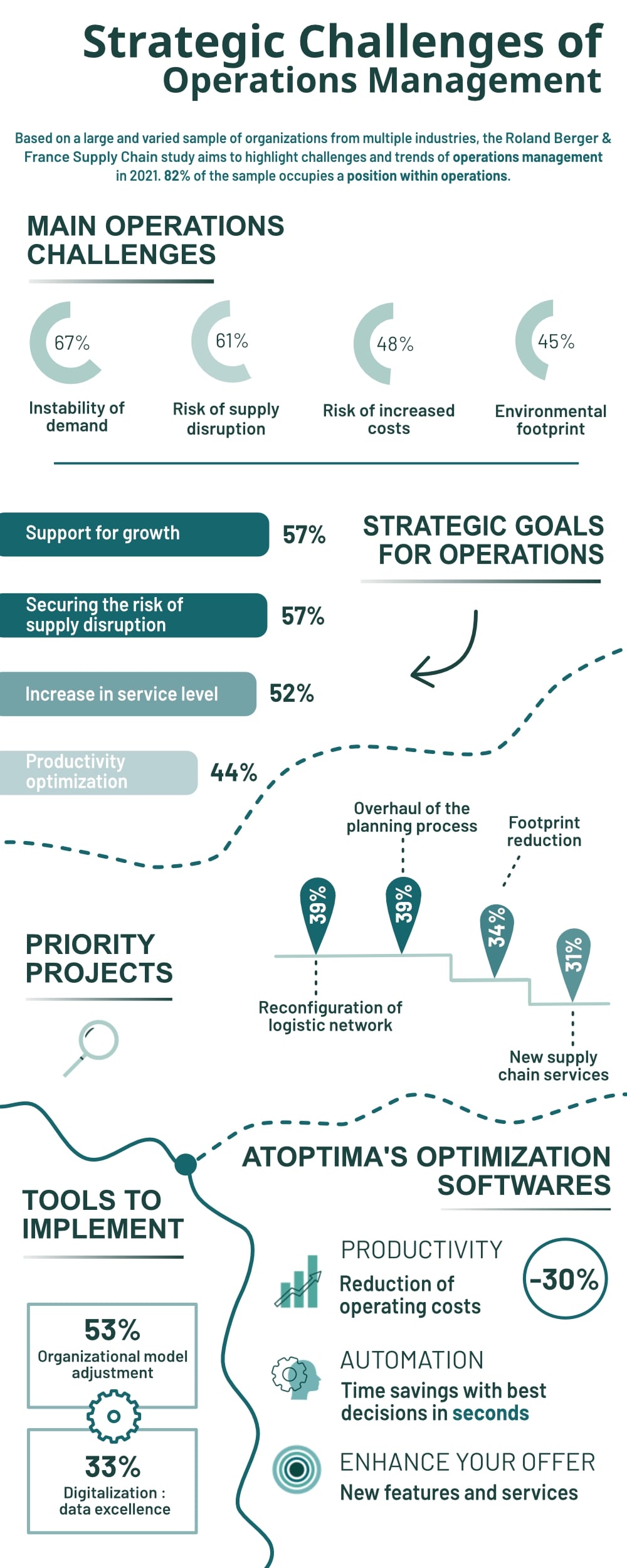
Across all sectors, the main challenges of operations management are instability of demand (67%), risk of supply disruption (61%), risk of increased costs (48%) and environmental footprint (45%).* Data-driven decision making has become a must-have to handle such large-scale and volatile operations planning problems.
Blog
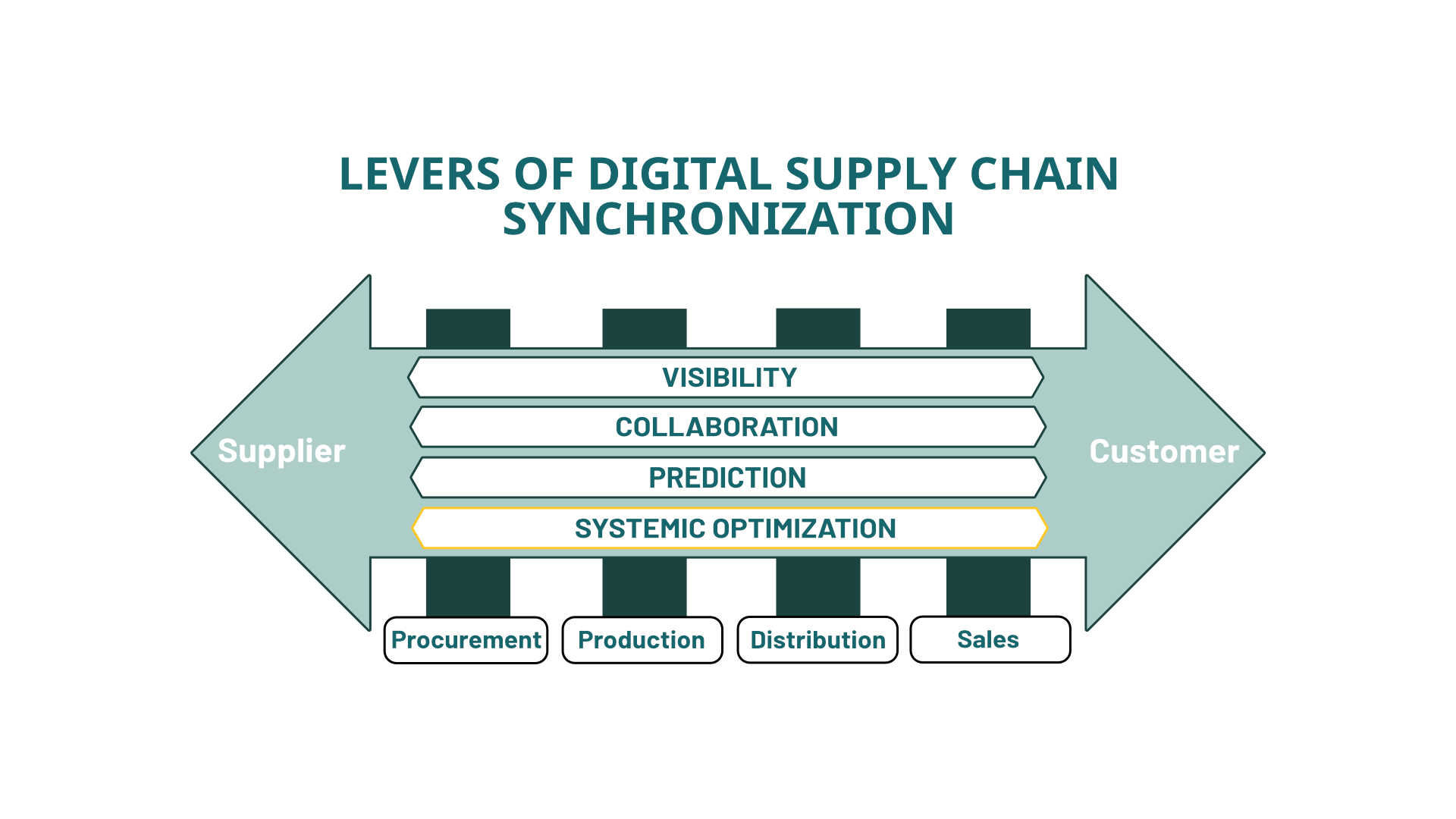
The critical stages of the supply chain are often acting as separate silos, driving to short-sighted decision making and resulting to overstocks / out-of-stocks, waste of resources, disconnected prices to fix mistakes and bad customer relations. Digital supply chain synchronization is key to tend towards a seamless supply chain.

Infography
According to a recent study led by Infopro Digital Studies among 207 industry decision-makers, this infographics reveals the trends and challenges of the Supply Chain's digital transformation. The Covid-19 crisis has revealed a crucial need to equip with digital tools and decision support technologies for better management of operations.
Blog
Vehicle routing optimization software plays a key role in exploiting data related to client points, thereby reducing logistics costs and improving team productivity. This article highlights the constraints related to client points, from the location of pickup and delivery sites to the management of real-time contingencies, to make logistics operations more efficient and sustainable.

Blog
After more than 25 years of a distinguished academic career in Operations Research and Combinatorial Optimization, François Vanderbeck took the step of co-founding a startup. Atoptima is this DeepTech Startup, created to bring the state-of-the-art of optimization technologies for operations planning that is needed to handle the real-life complexity of problems. In the following interview, François Vanderbeck — CEO of Atoptima — tells us more about his background and his motivation for this professional move from researcher to entrepreneur.

Blog
You have become aware of the significant benefits that can be expected from data-driven decision-making and especially prescriptive analytics and you must now be wondering how to implement such tools into your organization. Traditionally, there are two kinds of players on the market that would offer « optimization » solutions. What are their characteristics and which are relevant for your specific problem?

Blog
For the year 2021, Global Footprint Network* estimates that humanity’s Ecological Footprint would require 1.7 Earth to meet the Planet’s Biocapacity (the amount of ecological resources Earth is able to generate that year). A well-reasoned use of resources has become a major issue. Mathematical Optimization technologies can contribute to face these environmental challenges by improving decision-making of resource assignment.
Infography
A recent study carried out by Roland Berger and France Supply Chain reveals the concerns and priorities in operations management, based on a survey among a various sample of companies from different industries. Since the covid-19 pandemic in particular, organizations are facing numerous challenges with their operations management process.
Blog
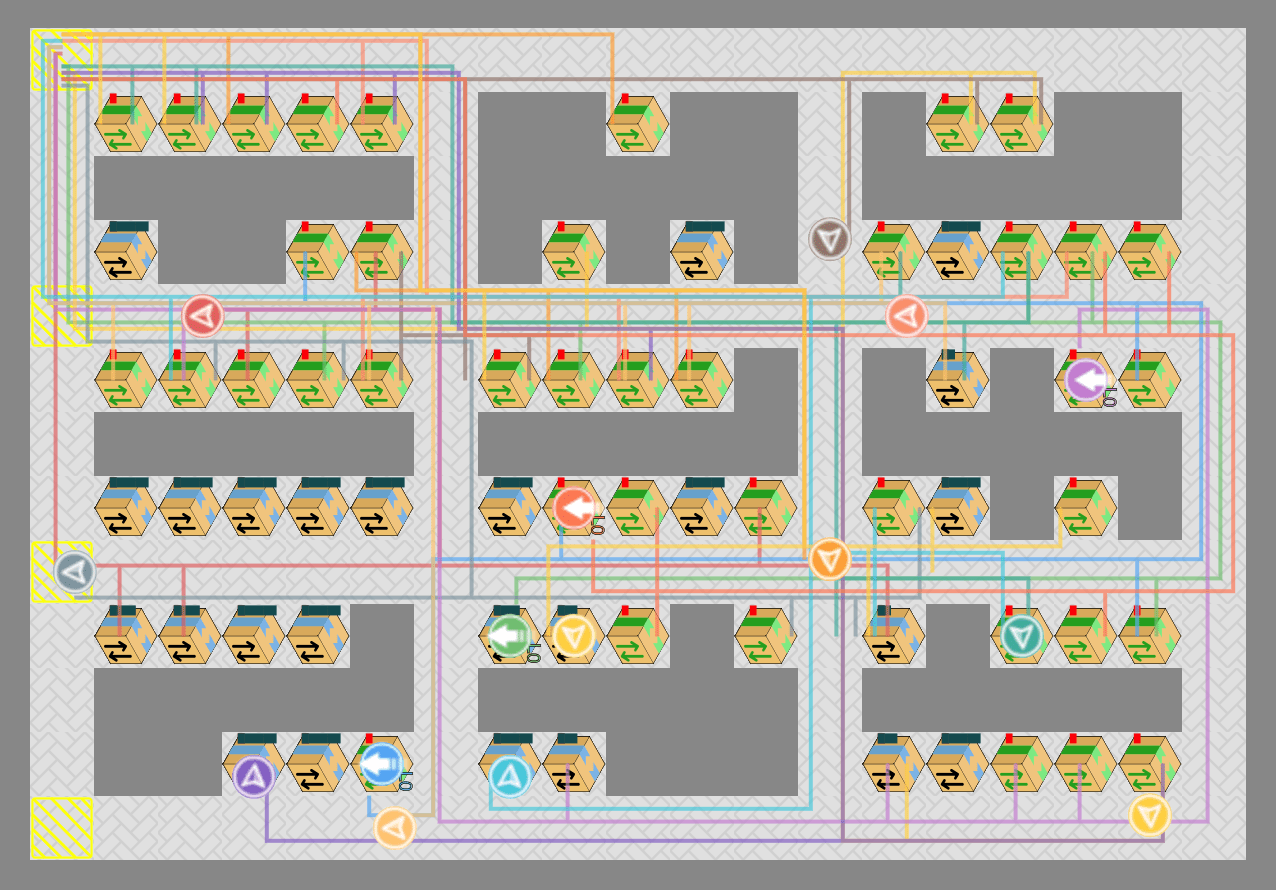
Optimization technologies play a key role in boosting the operations of allocation and order preparation in the warehouse. By automating these processes, companies can increase the productivity of their human pickers and improve their quality of life at work.
Blog
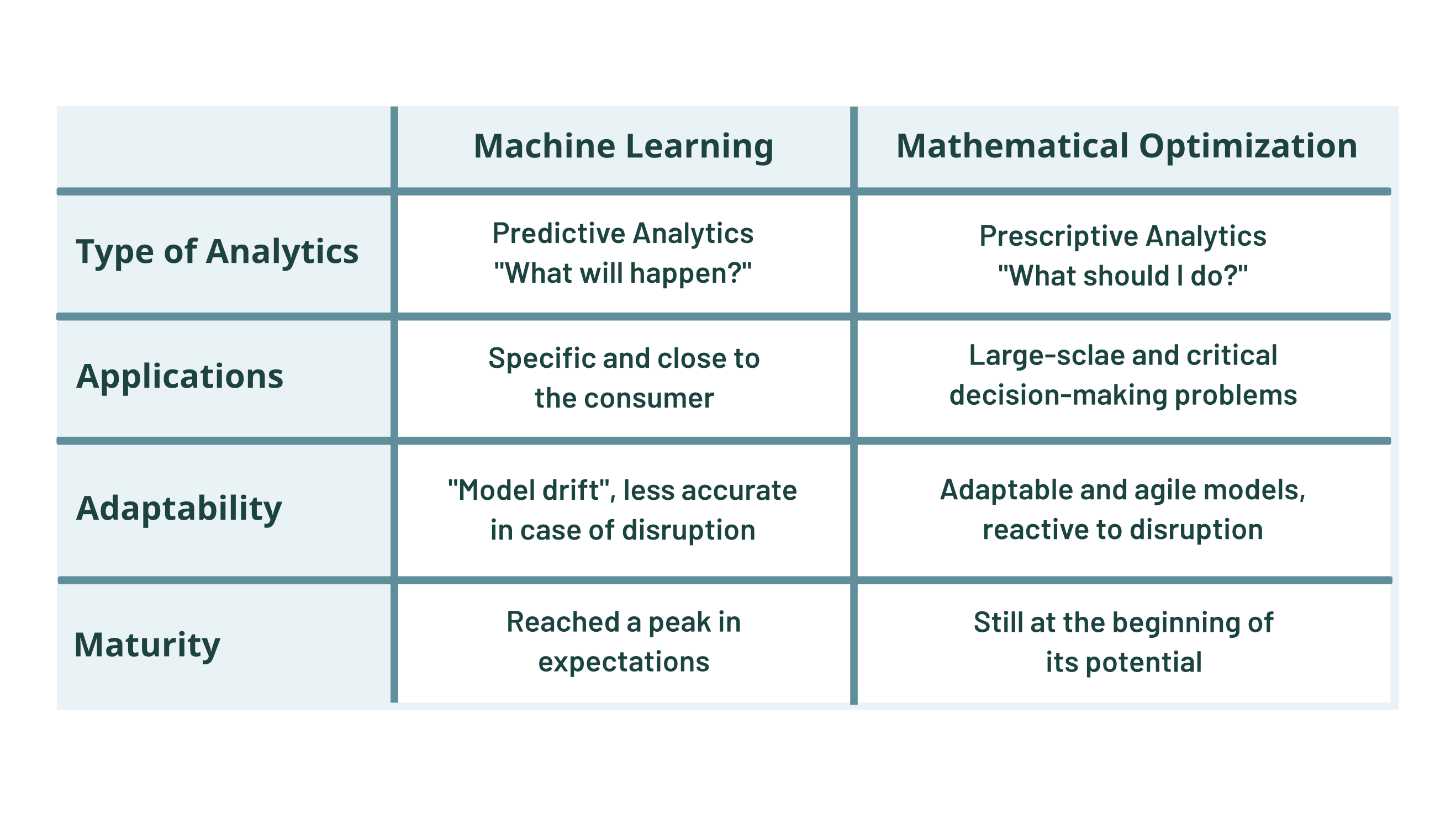
Mathematical Optimization and Machine Learning are two main technologies allowing on one side to generate solutions for complex decisions and on the other to predict actions to guide future decisions. In a recent article published by Forbes, Edward Rothberg (CEO and Co-founder of Gurobi) points out 4 main differences between Mathematical Optimization and Machine Learning related to the type of analytics*, the applications, the adaptability and the maturity.
Blog
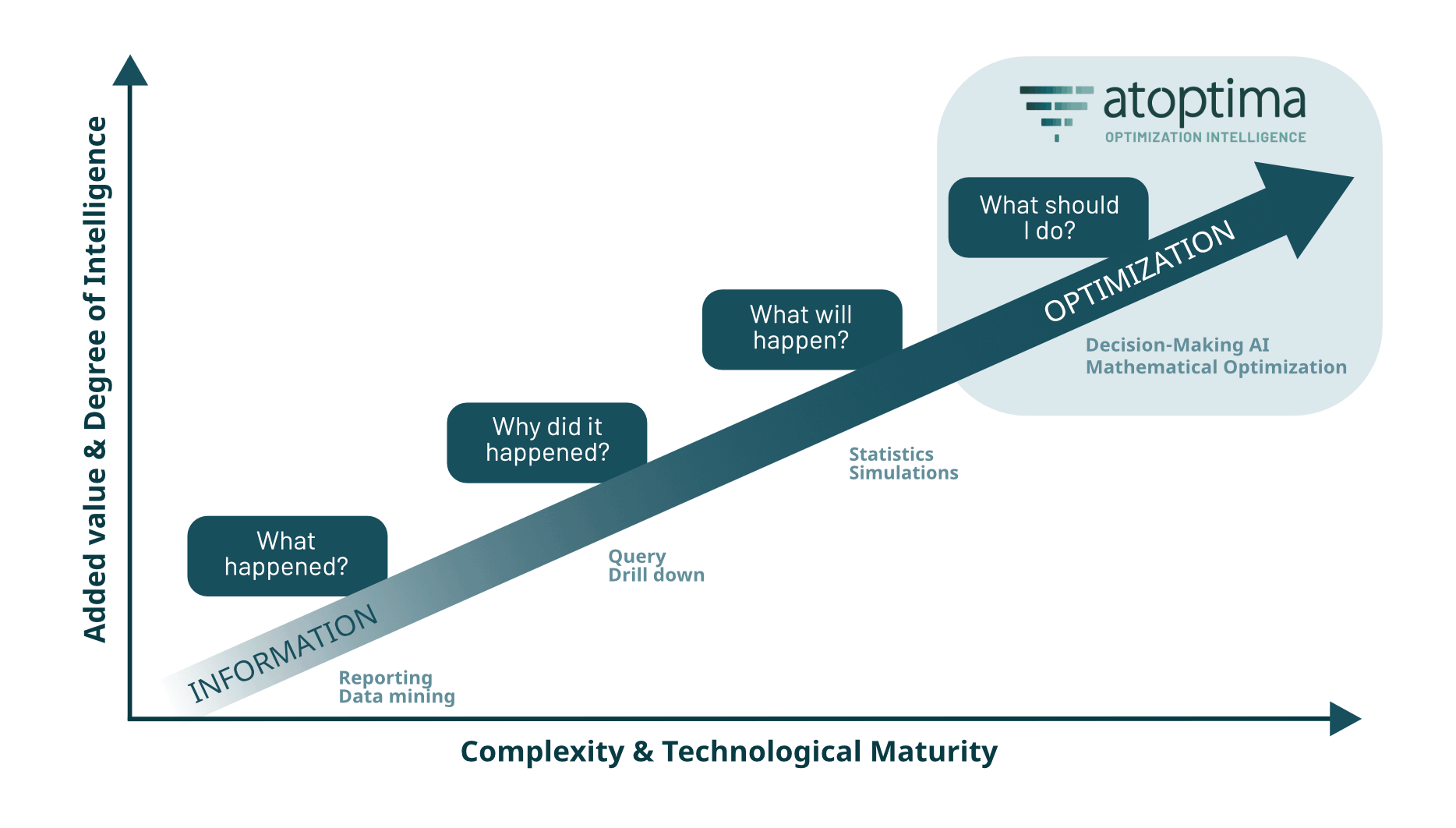
Optimization in supply chain and logistics, yield management, production planning or project management are well-known cases that can benefit from prescriptive analytics. But the use cases extend to many other data-driven decision-making situations with great potential…
Blog
Route planning software is essential in addressing the specific characteristics of missions to be performed, ensuring respect for time slots and pickup and delivery specificities, while reducing travel durations and guaranteeing optimal service quality.
What's next?
Tackle your most complex optimization challenges.